

The History Behind Repousse Antiques
- Posted on 15th August 2021
- in antique appraisal, antique dealer, antique liquidator, antique repoussé
- by Alan
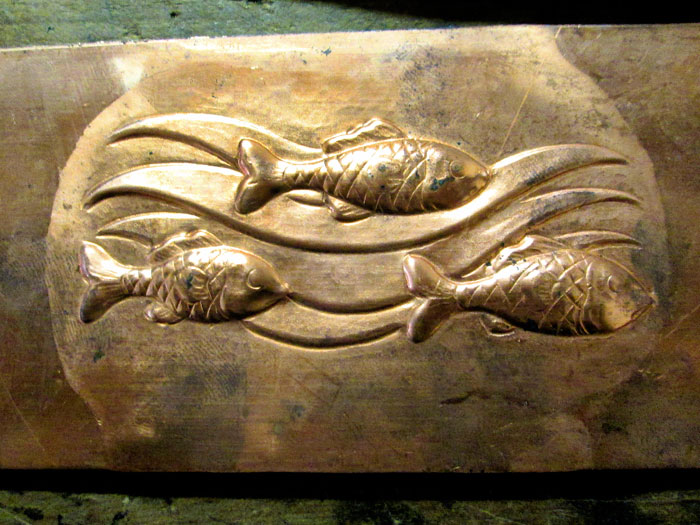
Repoussé is an intricate decorative technique used in sterling silver, copper, and other metals. Artisans create these designs by hand-hammering and shaping malleable metal from the reverse side. Known for its depth and detail, this method is commonly seen in Repoussé antiques, which are valued for their craftsmanship and artistry. The French term repoussé means “to push back,” and this expressive technique gives each piece a distinctive character that collectors highly value.
Where it all began
The techniques of repoussé date back to Antiquity. At that point, artisans began using these techniques widely with gold and silver for fine detailed work, and with copper, tin, and bronze for larger sculptures.
Ancient civilizations developed the art of repoussé, with some of the finest examples appearing in Greek bronze armor from the 3rd or 4th century BC. Craftsmen originally shaped these unique pieces by working the metal over pitch, sand, or sometimes using only the metal’s edges for support. Pitch is an ancient “basic” substance. It was commonly used for caulking boats and ships and was made of tree sap, pine tar or pine resin.
Modern craftsmen make pitch from pine resin, just as in earlier times, and add waxes and fillers such as clay or sand. When working with steel, they once used lead-based pitch, but today they prefer softer and safer substitutes like zinc or tin. Artisans used pitch mainly for fine decorative accents on armor, while they shaped the main armor pieces using other methods.
Artisans easily worked thin copper using wooden hand tools, while they shaped heavier metals like steel with power tools and machines. The choice of tools depended on the type of metal used.
Because the process required extensive handwork, artisans began streamlining the repoussé technique to allow semi-mass production. To support this, artists carved designs into stone, bone, or metal, then pressed gold sheets onto the surface to imprint the patterns. Then, the artist would put the final touches on the designs and patterns by hand.
The widespread use and practice of repoussé reached its peak in Europe during the 16th, 17th and 18th centuries. Today, artisans practice the repoussé technique far less than in earlier centuries, but schools and craftsmen still teach it.
Discovering their Meaning and Markings
In the past, artisans often used gold and silver for fine repoussé work. However, copper and tin were also excellent metals, as they could hold detailed designs just as well. Many older Repoussé antiques are commonly made from copper, which was widely used in earlier periods.
The markings, patterns, and styles found on Repoussé antiques vary greatly depending on the artist and the region where the piece was created. Because of these differences, identifying the origin and age of a piece often requires expert knowledge and careful examination
People sometimes confuse repoussé with embossing; however, embossing creates intricate ornamental designs using dies. It is important to note the difference between repoussé and chasing. Chasing refers to a groove, furrow, channel or indentation in the metal.
Statue of Liberty is a famous repoussé work, formed by hammering copper over molds in sections, then assembling them.
To really learn about the repoussé pieces that you have on hand and what they may be worth, bring your flatware, tea sets, bowls and water jugs to Sarasota Antique Buyers. We can help you discover where they are from, how old they are and the meanings behind the “lost art.” We visit places like Osprey, Ellinton and Palmetto once in a week to appraise antique items.
Tags: antique repoussé, antique shops near me, antique silver buyers, best place to sell antiques online
