

The Art of Henri Matisse’s Paper Cut-Out Sculptures
- Posted on 18th March 2026
- in antiques, antiques buyers online, asian bronzes, Bronze Sculpture, Sculptures
- by Alan
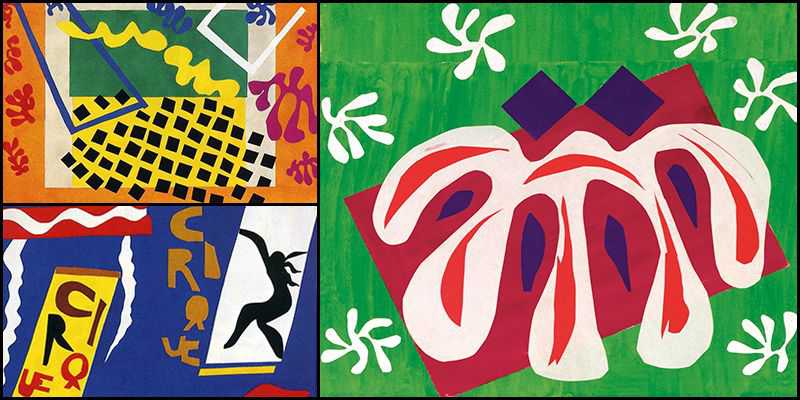
Understanding Henri Matisse’s Paper Cut-Out Technique and Creative Process
Henri Matisse is famous for his bold colors, but his later cutout works are among his most important contributions to modern art. These pieces are often called “painting with scissors” because he used colored paper instead of paint.
Matisse was more than just a painter; he was also a draftsman, printmaker, and sculptor. He was born in Le Cateau-Cambrésis, France, in 1869 and first studied law before finding his passion for art in 1889. As his style changed over the years, he created the famous paper cutouts that marked his later career.
History and Artistic Journey of Henri Matisse
In the early 20th century, along with and helped shape modern art. His focus on color and form made him a leader in artistic innovation.
The first known use of Matisse paper cutouts dates back to 1919, when he worked on stage designs for Le Chant du Rossignol by Igor Stravinsky.
By the 1940s, illness and limited mobility led Matisse to focus more on his cutouts. This time marked the height of his creativity, as he made iconic cut-out art and designs used in:
- Wall hangings
- Tapestries
- Book illustrations
- Chapel decorations
Some of the most famous Henri Matisse cut-out names include:
- The Snail
- Blue Nude II
- La Gerbe
These works show the beauty of Matisse’s cut-out art, which uses simple shapes and bright colors.
How Henri Matisse Created His Paper Cut-Out Art
Matisse developed his cut-out technique over time, creating a unique process.
To make his famous paper cuts, Matisse’s assistants first painted sheets of paper with gouache.
👉 This answers a common question:
For what purpose did Matisse’s housekeeper prepare canvases for him?
She and her assistants prepared and painted the paper so Matisse could cut shapes straight from it.
Matisse would then:
- Cut shapes freehand using scissors
- Arrange them on the walls of his studio
- Move and adjust them for months
This method let him experiment with composition, color, and balance. The walls often looked like a living collage, filled with shapes that looked like leaves, algae, and abstract forms, which are key elements of Matisse’s cutouts.
When Matisse was happy with the arrangement, the final piece was glued onto paper, canvas, or board. His assistant Lydia Delectorskaya played a key role in putting these works together.
This process turned simple materials into striking Matisse designs and is still seen as one of the most creative techniques in modern art.
Conclusion: The Legacy of Matisse Cut-Outs
The beauty of Matisse’s cutouts comes from their simplicity and creativity. With his paper cutouts, he turned color and shape into a new art form that still inspires artists today. His work shows that creativity can thrive even with challenges. The legacy of Matisse’s cutouts is still a major influence in modern design, illustration, and abstract art. If you own antique artworks like paintings, drawings, or sculptures, we can help with appraisal and valuation. As a top Sarasota antique buyers, we handle many types of collections, including bronze sculptures and decorative art.
Related Posts:
I Am Downsizing My Antiques and Household Goods – What Are the 5 First Most Important Steps that I S...
Is there a “best season” for buying and selling antiques and collectibles?
Local Antique and Collectible Silver Flatware Buyers in Florida
Rare Antiques to Look For: A Guide to Finding Valuable Treasures
