
How to Find a Qualified Antique Appraiser: 5 Practical Steps
- Posted on 19th November 2026
- in estate liquidators
- by Alan
To find a reliable antique appraiser, you can either look in the directory of a professional appraisal organization or ask a museum, a collector’s group, or a reputable auction house for one in your particular area of interest. It is vital to check the appraiser’s experience and qualifications prior to engaging them. Get the fee and report scope in writing and ask about conflicts of interest. You should also let the appraiser know why you are seeking the appraisal (for insurance, for a donation, for estate purposes, to facilitate a sale, etc.). The appraisal will be an estimate of value for a particular purpose and a particular date and will not in any way guarantee what a buyer will actually pay.
1. Ask for recommendations—and check the fit.
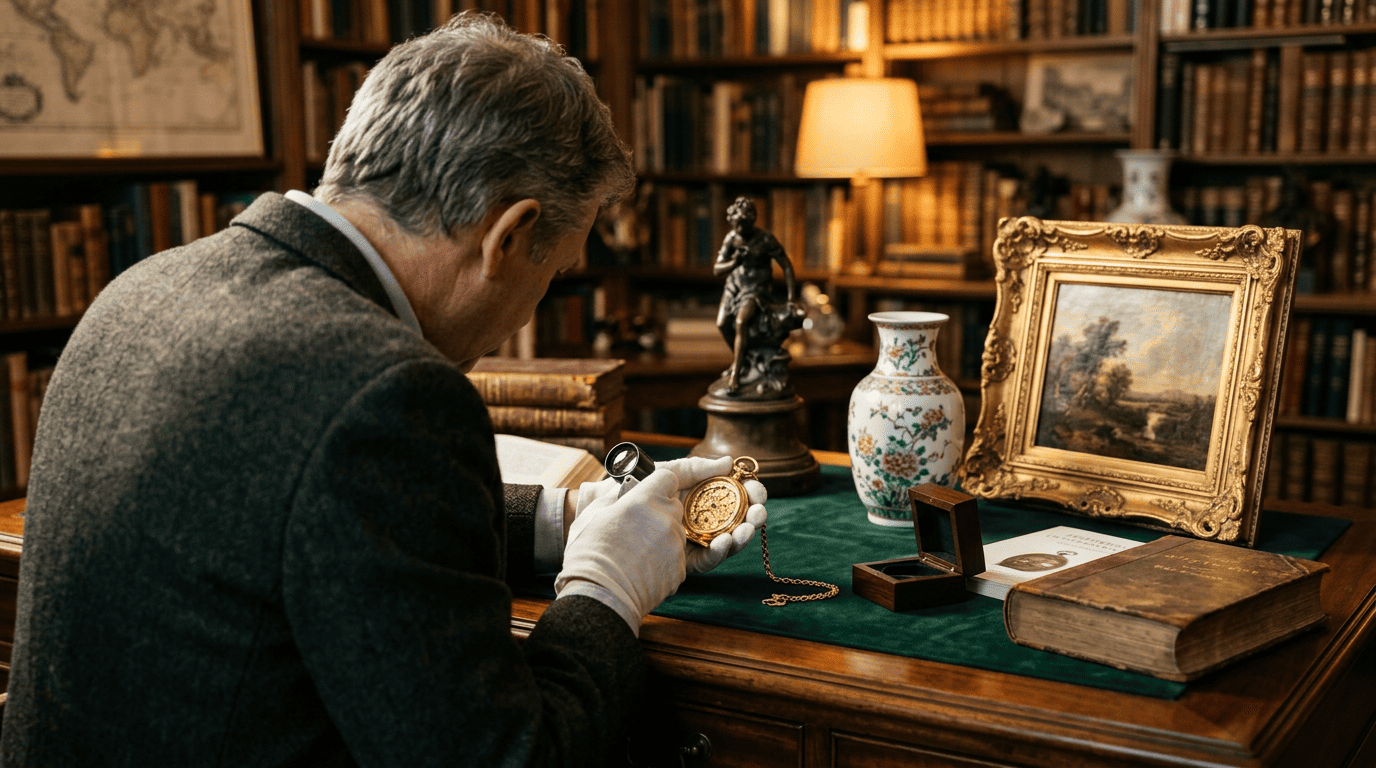
Ask collectors, museum staff, reputable dealers, and people you know. Make sure the person you are talking to has the right experience with the item, period, and materials. A furniture specialist, for instance, may not be the right person to value a rare watch or a painting. With a very valuable or unusual item, it’s worth getting the views of two or three appraisers of the requisite calibre and comparing not just the figures they give but also their approaches and the fees they charge.
2. Find a qualified professional appraiser.
For a formal written appraisal you need someone with the appropriate training and experience in the relevant item and in the type of report you require. Look in the directories of the various appraisal organizations and check the appraiser’s credentials and specialty (membership in an organization doesn’t necessarily equate to having the required expertise in every field). In the US you can verify the Appraisal Foundation’s current guidance on standards and qualifications and see what applies to your particular assignment. You will need to state whether the appraisal is for insurance, donation, probate, or a legal purpose, as the requirements will vary depending on the jurisdiction and the purpose of the appraisal. Provide links to the relevant organizations’ directories or guidance.
Fees will vary according to the item, the amount of research required, and the type of report. You need to have the fee and the scope of work in writing before any work commences. A written report should identify the item, state the purpose and date of the appraisal, state the type of value and the method of valuation, and support the estimate with a rationale. Find out whether the fee is a flat fee or an hourly rate. Be wary if the appraiser is also offering to buy the item or is charging a fee based on the appraised value (such a situation may be a conflict of interest). For a low-value item, a formal report may well be more than the item is worth; find out whether a simple consultation or a reliable reference would be a more sensible option. Insurance replacement value, fair market value, and likely auction proceeds are all different values. You can only compare estimates if they use the same value type and valuation date.
3. Try an antique show or valuation event.
Local antiques shows, museums, and community valuation days will sometimes provide a brief verbal opinion (either free or for a small fee). Check the event’s website to see who the experts are, the item limits, the entry cost, and if you need to book an appointment. Such a verbal opinion can be of some assistance in helping you to decide whether you need to go on to get a properly researched written report, but they are generally not a substitute for that. The event may limit the number of items you can bring, so it may not be right for a large collection.
4. Contact reputable antique shops and auction houses.
Some antique shops, auction houses, and estate sale companies will give you an informal verbal estimate. The availability of this service and the quality of the estimates will vary. You need to find out who is going to give you the estimate, what experience they have in that particular category, whether the estimate will be in writing, and whether they are in any way interested in buying the item. Be on the lookout for red flags such as pressure to sell it immediately, a reluctance to put the terms or credentials in writing, a lack of verifiable qualifications, or an appraiser who is clearly more interested in buying your item than in giving you an estimate. A dealer’s resale or auction estimate differs from an independent appraisal for insurance or other reasons. If the value is high or the estimates differ, conduct research on the business and seek a second opinion.
Some of the big auction houses will take online valuation requests or run public valuation days. Check the house’s website to see what items are eligible, what the fees are, and whether the response you get is an auction estimate or a formal valuation. The range of items available will, of course, change, so you need to check the details before you actually go ahead and submit an item or send in the details.
5. Prepare your item and compare appraisers.
Before you get in touch with an appraiser, collect clear photos, measurements, any known history or purchase records, certificates, and details of any repairs or restoration. Always ask before cleaning, polishing, or repairing the item, as these actions may affect its condition and value. Send copies of the documents, and of course, keep the originals.
To protect your antiques before and during the appraisal and after, store them in a clean, dry place away from direct sunlight, humidity, and temperature extremes. Handle them with clean hands (or gloves) and pack them in sturdy boxes with plenty of padding. If you’re going to be moving any fragile or heavy pieces, then it may be worth considering a professional shipping or moving company that specializes in antiques. For smaller items, simply use bubble wrap or acid-free tissue and pack them individually.
Ask prospective appraisers:
- Have you ever looked at any items of this nature recently?
- What qualifications or specialist training do you have?
- What’s the fee, and what does the report contain?
- What valuation purpose and date is the report for?
- Do you have any financial interest in buying or selling the item?
Refer to the references or independent reviews if they’re available. If the item is valuable, it’s for a formal purpose, or the estimates are way off, then you may want to consider a second independent opinion. Choose a qualified specialist who will explain their methodology and disclose any potential interests, not just the appraiser who gives the highest figure.
Common questions about antique appraisals
- Is a dealer’s estimate the same as an appraisal? No. A dealer or auction house can estimate your resale or auction value. A proper appraisal is one that is done for a particular purpose and will state its basis and valuation date.
- Should I get more than one opinion? In the case of a valuable item, a formal requirement, or where you have widely differing estimates, a second independent opinion may be worth having. You should only compare opinions if they both pertain to the same type of value and date.
- What should I send first? Ask the appraiser what they need. Clear photos, dimensions, known history, and condition are a good place to start. Please confirm the process before shipping or bringing the item.